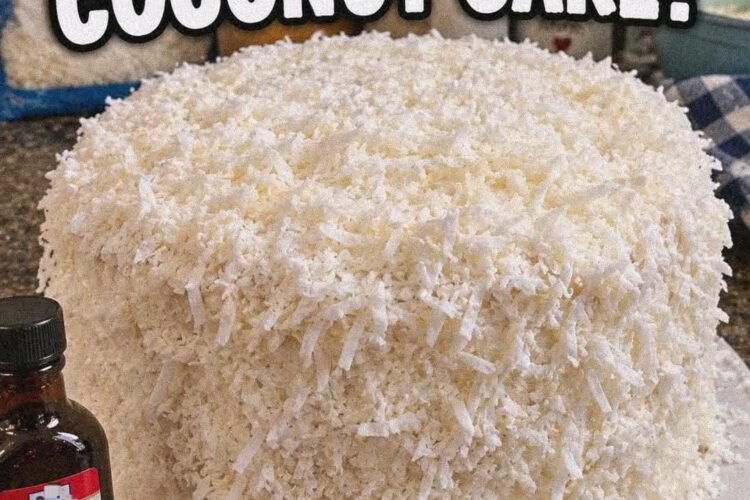
There’s something wonderfully comforting about a homemade coconut cake. It’s soft, buttery, lightly sweet, and filled with the unmistakable flavor of coconut in every bite. This Classic Coconut Cake with Coconut Frosting takes that old-fashioned favorite and turns it into a beautiful layer cake that’s perfect for holidays, birthdays, afternoon gatherings, or simply when you’re craving something special.
The cake itself has a tender, moist crumb thanks to the combination of butter and buttermilk. Sweetened shredded coconut is folded directly into the batter, giving the layers plenty of texture and coconut flavor. Once the cakes are cooled, they’re covered in a smooth coconut buttercream and finished with a generous layer of shredded coconut.
The result is a cake that looks impressive without requiring complicated decorating skills. If you love coconut desserts, this is one recipe you’ll want to keep close.
Why You’ll Love This Coconut Cake
This cake is all about simple ingredients coming together in the right way. The butter creates a rich, tender crumb, while buttermilk adds moisture and a subtle tang that balances the sweetness.
A little coconut extract gives the cake a deeper coconut flavor without overpowering the other ingredients. Then, the shredded coconut adds texture throughout the cake and creates that classic coconut-covered finish.
Here are a few reasons this recipe is worth making:
- Soft and moist homemade cake layers
- Plenty of coconut flavor
- Creamy, fluffy coconut frosting
- No complicated decorating techniques
- Perfect for birthdays, holidays, and celebrations
- Delicious with coffee or tea
Ingredients
For the Coconut Cake
- 2½ cups all-purpose flour
- 2 teaspoons baking powder
- ½ teaspoon baking soda
- ½ teaspoon salt
- 1 cup unsalted butter, softened
- 1½ cups granulated sugar
- 4 large eggs
- 2 teaspoons vanilla extract
- 1 teaspoon coconut extract
- 1 cup buttermilk
- 1½ cups sweetened shredded coconut
For the Coconut Frosting
- 1 cup unsalted butter, softened
- 4 cups powdered sugar
- ½ cup coconut milk
- 1 teaspoon vanilla extract
- 1 teaspoon coconut extract
- 2 cups sweetened shredded coconut, for decorating
How to Make Coconut Cake
1. Prepare the Cake Pans
Start by preheating your oven to 350°F (175°C). Grease two 9-inch round cake pans thoroughly, then dust them lightly with flour. You can also line the bottoms with parchment paper for easier removal.
Preparing the pans properly is important because this cake is soft and moist, and you want the layers to come out cleanly once they have cooled.
2. Mix the Dry Ingredients
In a medium bowl, whisk together the all-purpose flour, baking powder, baking soda, and salt.
This simple step helps distribute the leavening agents evenly throughout the flour. Set the bowl aside while you prepare the wet ingredients.
3. Cream the Butter and Sugar
Place the softened butter and granulated sugar in a large mixing bowl. Beat them together with an electric mixer until the mixture becomes noticeably lighter in color and fluffy in texture.
This usually takes several minutes. Don’t rush this step. Properly creamed butter and sugar help create a lighter cake with a tender crumb.
4. Add the Eggs and Flavorings
Add the eggs one at a time, beating well after each addition. Scrape down the sides of the bowl as needed to make sure everything is evenly incorporated.
Once the eggs are mixed in, add the vanilla extract and coconut extract. Mix briefly until combined.
At this point, the batter should smell wonderfully fragrant.
5. Combine the Wet and Dry Ingredients
Add the dry ingredients to the butter mixture gradually, alternating them with the buttermilk.
A good approach is to add some of the flour mixture, followed by some buttermilk, and continue alternating until everything has been added.
Mix only until the ingredients are combined. Overmixing can develop too much gluten and make the finished cake heavier than you want.
6. Fold in the Coconut
Add the 1½ cups of shredded coconut to the batter. Use a spatula to gently fold it in until it is evenly distributed.
The coconut should be mixed throughout the batter rather than beaten aggressively. Gentle folding keeps the cake mixture light.
7. Divide and Bake
Divide the batter evenly between the two prepared cake pans. Smooth the tops with a spatula so the layers bake evenly.
Place the pans in the preheated oven and bake for approximately 25–30 minutes.
To check for doneness, insert a toothpick into the center of each cake. If it comes out clean or with a few moist crumbs attached, the cakes are ready.
Try not to overbake them. Coconut cake is best when the layers remain soft and moist.
8. Cool the Cake Layers
Let the cakes cool in their pans for about 10 minutes. Then carefully turn them out onto a wire rack and allow them to cool completely.
Make sure the layers are completely cool before frosting. If they’re still warm, the buttercream can become soft and slide off the cake.
How to Make Coconut Frosting
While the cake layers cool, prepare the frosting.
Place the softened butter in a large bowl and beat until smooth and creamy. Gradually add the powdered sugar, mixing between additions to prevent a cloud of sugar from covering your kitchen.
Once most of the powdered sugar has been incorporated, add the coconut milk, vanilla extract, and coconut extract.
Continue beating until the frosting becomes smooth, creamy, and fluffy.
If the frosting seems too thick, add a small splash of coconut milk. If it seems too soft, add a little more powdered sugar. The finished frosting should be easy to spread but firm enough to hold its shape.
Assemble the Coconut Cake
Place one completely cooled cake layer on a serving plate or cake stand.
Spread a generous layer of coconut frosting over the top, taking it all the way toward the edges.
Place the second cake layer on top and gently press it into position.
Now frost the top and sides of the entire cake. It doesn’t have to look perfectly smooth because the shredded coconut will cover the frosting.
Pour or sprinkle the remaining shredded coconut over the cake. Gently press the coconut into the frosting with clean hands or a spatula so it sticks to the sides and top.
Continue until the entire cake is covered.
For the best texture and cleaner slices, place the finished cake in the refrigerator for about 30 minutes before serving.
Tips for the Best Coconut Cake
Use softened butter: Butter should be soft enough to press easily with your finger but not melted. Properly softened butter creams much better with sugar.
Bring your eggs and buttermilk closer to room temperature: Ingredients that aren’t ice-cold generally combine more smoothly and help create a more consistent batter.
Don’t overmix the batter: Once the flour is added, mix just until everything comes together.
Don’t skip the cooling time: Frosting a warm cake can result in melting buttercream and messy layers.
Use plenty of coconut: The shredded coconut on the outside gives the cake its signature appearance and adds a wonderful chewy texture.
Easy Variations
If you want to change things up, there are several easy ways to customize this cake.
For a stronger coconut flavor, add a little extra coconut extract to the frosting. Just add it gradually because coconut extract can be quite concentrated.
For a toasted finish, lightly toast some of the shredded coconut before sprinkling it over the cake. Let it cool completely before using it.
You can also add a thin layer of pineapple preserves between the cake layers for a tropical twist. Another option is to add chopped pecans or toasted almonds to the filling for extra crunch.
How to Store Coconut Cake
Store the finished cake covered in the refrigerator because of the butter-based frosting. It should keep well for several days when properly covered.
For the best flavor and texture, let refrigerated slices sit at room temperature for a short time before serving. This allows the frosting to soften and the cake to become tender again.
Individual slices can also be wrapped well and refrigerated for convenient desserts throughout the week.
Frequently Asked Questions
Can I make this cake ahead of time?
Yes. The cake layers can be baked a day ahead. Let them cool completely, wrap them well, and keep them covered until you’re ready to assemble the cake.
Can I use unsweetened coconut?
You can, but the flavor and sweetness will be different. Sweetened shredded coconut provides the classic sweetness and chewy texture associated with traditional coconut cake.
Does coconut cake need to be refrigerated?
Because the frosting contains butter and coconut milk, refrigeration is the safest storage option. Allow the cake to sit briefly at room temperature before serving for the best texture.
Can I make this as a sheet cake?
Yes. The batter can be adapted for a suitable sheet pan, although baking time will depend on the size and depth of the pan. Begin checking for doneness earlier rather than relying strictly on the original baking time.
Serving Suggestions
This coconut cake is delicious served slightly chilled or at room temperature. A warm cup of coffee makes a particularly good pairing, while tea is perfect for an afternoon dessert.
For a special occasion, garnish each slice with a little extra shredded coconut or a small dollop of whipped cream.
Whether you’re making it for a family gathering or simply want a beautiful homemade dessert, this coconut cake brings plenty of old-fashioned charm to the table.
Final Thoughts
This Classic Coconut Cake with Coconut Frosting is the kind of dessert that looks elegant while still feeling homemade and comforting. The buttery cake layers are tender and moist, the coconut adds wonderful texture, and the creamy frosting ties everything together.
Once decorated with shredded coconut, it becomes a beautiful centerpiece without requiring professional cake-decorating skills. Make it for a birthday, holiday dinner, potluck, or weekend baking project, and don’t be surprised when everyone asks for another slice.
Serve chilled or at room temperature with your favorite coffee or tea, and enjoy every coconut-filled bite!